
Descriptions
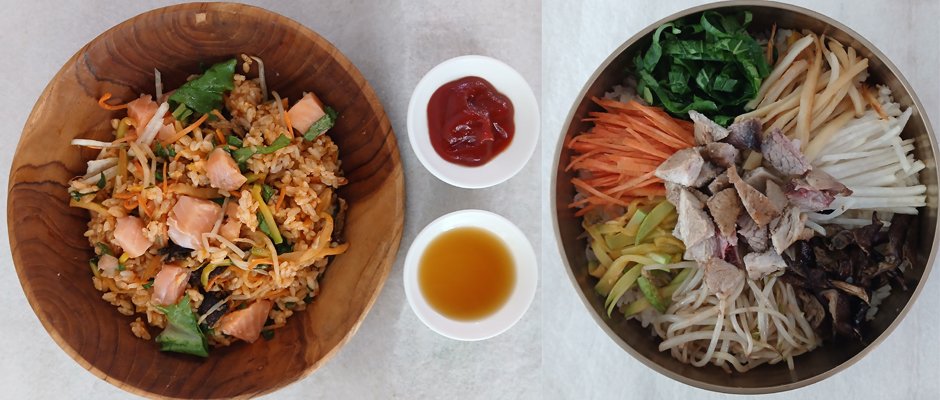
Bibimbap(비빔밥)—where “Bibim” means mixing together and “Bap” means rice—is far more than just a simple meal. It is a masterpiece crafted by Korea’s diverse geography—its mountains, rivers, plains, and seas—and refined by culinary techniques born from a long history and changing seasons.
It is a symphonic orchestra of food, harmonizing distinct ingredients—fresh seasonal vegetables, various meats, and the ultimate essence of Korean fermentation science,Gochujang (chili paste). It brings together flavor, health, visual art, and philosophy into a perfect, balanced unity to create an entirely new world of taste.
The moment you mix these ingredients and take a bite, you are not just eating food; you are absorbing the vital energy of the universe and tasting the deep meaning of life. This extraordinary culinary experience is only possible through Korea’s unique terroir and cultural heritage.
Even the bowls used to serve Bibimbap are a testament to this rich tradition. It can be served in a wide variety of authentic Korean vessels, ranging from traditional brassware (Notg릇) that keeps the food warm, to earthenware (Togi), ceramics, and rustic wooden bowls.
The 7 Elements of Story
1. White Parsnip or Onion (The Pure Earth / 흰색: 파스닙 또는 양파)”Finely shredded and gently sweated, representing the pure, clean foundation of the earth, delivering a subtle sweetness hidden beneath its snowy exterior.”
2. Cremini or Shiitake Mushroom (The Deep Forest / 갈색: 버섯)”Pan-fried with a touch of soy sauce, capturing the deep, rustic essence of the forest floor, grounding the bowl with its rich, savory texture.”
3. Zucchini (The Whisper of Summer / 초록색: 호박)”Lightly sautéed in delicate half-moons, it brings the gentle whisper of summer and the cooling energy of vibrant nature to your palate.”
4. Crisp Romaine & Chicory (The Dance of the Wind / 초록색: 로메인과 치커리)”Fresh and raw, echoing the crisp dance of the wind. Its lively crunch and sophisticated bitterness cleanse the palate and breathe life into every bite.”
5. Shredded Carrots (The Sunset Fire / 주황색: 당근채)”Blanched and seared to lock in its brilliant color, embodying the warm, glowing energy of a sunset fire, adding a cheerful crunch and visual warmth.”
6. Mung Bean Sprouts (The Awakening / 흰색·노란색: 숙주나물)”Gently seasoned sprouts that signify the quiet awakening of life from the soil, offering a refreshing and clean crispness.”
7. Pickled Radish (The Radiant Light / 빨간색·분홍색: 래디시 무채)”Thinly sliced and kissed with sweet vinegar, it shines like a radiant light, introducing a vivid pop of color and a tangy contrast that awakens all your senses.”
Now, wouldn’t you like to step up bibimbap story and become the conductor of this magnificent culinary orchestra?
👍 🍎SER2. Seoulacooks Rainbow Bibimbap Recipes 7🍎
1. Vegan Vegetable Bibimbap
2. Bibimbap with Fried Egg
3. Vegan Tofu Bibimbap
4. Vegan Mushroom Bibimbap
5. Salmon Bibimbap
6. Beef Bibimbap
7. Spicy Pork Bibimbap
cf : Related Informations https://korea.net